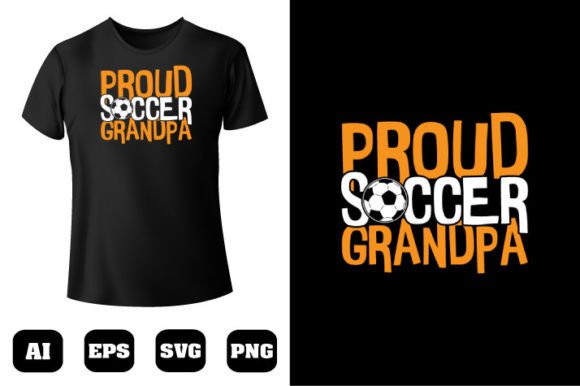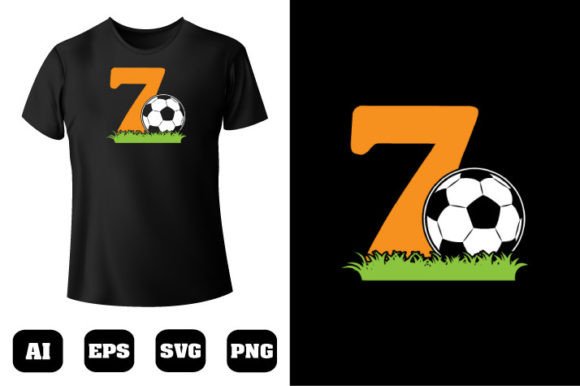
Soccer T-shirt Design 92: A Vector Review for Embroidery
As a designer who bridges the gap between digital graphics and physical stitching, I approach every new asset with a specific question: will this actually work on fabric? When evaluating Soccer T-shirt Design 92, my perspective shifts from screen to hoop. This file arrives as a high-quality vector graphic in Adobe Illustrator CC format with 300 dpi resolution, boasting 100 color-changeable elements and resizable shapes. While marketed primarily under T-Shirt Designs and Graphics, its clean vector architecture makes it a compelling candidate for adaptation into a professional machine embroidery design. However, translating scalable vectors into thread requires careful judgment, and that is exactly what we are exploring today.
First Impressions: Visual Clarity and Stitch Potential
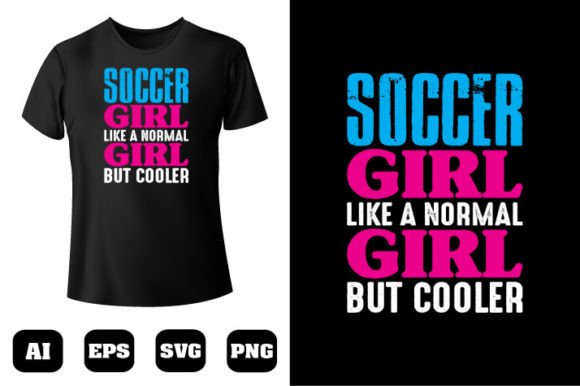
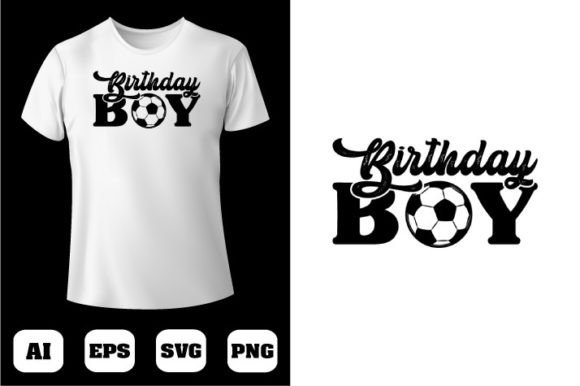
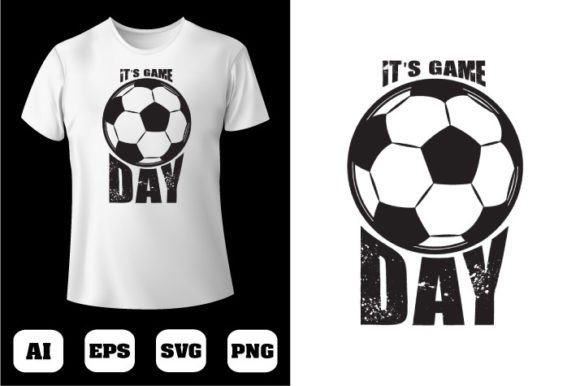
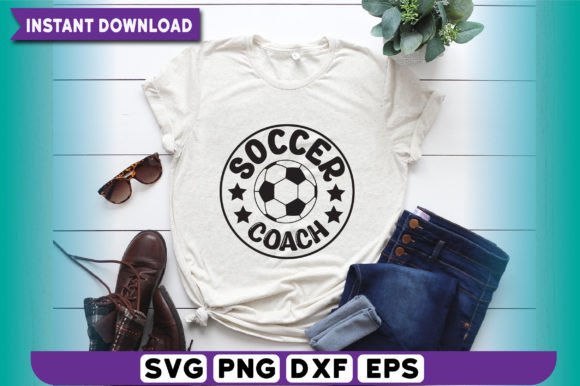
Opening Soccer T-shirt Design 92 in Illustrator reveals a composition that feels energetic yet structured. The mood is distinctly athletic and team-oriented, but unlike many chaotic sports graphics, this layout maintains a disciplined hierarchy. For an embroidery designer, this discipline is gold. The shapes are defined by clear paths rather than complex gradients or raster effects, which suggests excellent potential for digitizing into satin stitch borders and fill stitch interiors. The visual personality strikes a balance between competitive spirit and wearable aesthetics, making it suitable for more than just uniforms; it has the versatility needed for boutique merchandise and personalized gifts.
The fact that there are 100 vector shapes re-sizable is a significant advantage. In embroidery, we often need to simplify or merge elements to reduce jump stitches and trims. Having individual control over these shapes allows me to isolate specific icons for an embroidered patch or combine them for a full-back sweatshirt embroidery project without losing edge definition. The 300 dpi quality ensures that when I zoom in to check anchor points before digitizing, the lines remain crisp, reducing the guesswork during the conversion to a digital embroidery file.
Real-World Application: Custom Team Tote Bags
To truly test the viability of this asset, I mentally applied it to a recent client request: custom canvas tote bags for a youth soccer club fundraiser. Canvas is a textured fabric that demands bold lines and adequate stitch density. Soccer T-shirt Design 92 fits this scenario remarkably well because the primary motifs are substantial enough to hold their own against the weave of the canvas.
For this handmade product, I would utilize the resizable nature of the AI file to scale down secondary decorative elements, using them as running stitch accents around the main logo. This prevents the design from becoming too dense for the bag’s weight capacity while maintaining visual interest. Because the colors are fully changeable, matching the exact team pantone shades becomes a streamlined process rather than a frustration. As an Etsy seller or small shop product creator, this efficiency directly impacts profit margins. The ability to quickly adapt this graphic for a tote bag design means faster turnaround times and a more cohesive collection across different blanks, from aprons to caps.
Navigating Fabric Variables and Hoop Constraints
While the vector source is excellent, practical application requires caution. Not every iteration of Soccer T-shirt Design 92 will suit every substrate. If you are planning baby embroidery on lightweight onesies, the full composition may be too heavy. Infant fabrics require minimal stitch counts to prevent puckering and maintain garment drape. In such cases, I recommend extracting only the central icon or a simplified monogram version from the vector set. Always verify your hoop size limitations before committing to a layout; resizing vectors is easy, but resizing established stitch files can distort satin columns and compromise coverage.
Stretchy performance fabrics present another challenge. Even though this is a soccer-themed graphic intended for sportswear, applying dense fill stitch areas directly to thin polyester knits without proper stabilizer is a recipe for disaster. The design’s complexity must be matched with appropriate backing. For curved surfaces like caps, detailed corners in the vector art may need to be softened during digitization to accommodate the limited sewing field and the natural distortion of hat hoops. Always test on scrap fabric first. A design that looks perfect on a monitor can fail on textured terry cloth or dark navy fleece if thread color contrast isn't validated physically. Black and white mockups help identify value separation issues before you waste expensive thread.
Impact on Product Value and Brand Perception
Using a professionally structured asset like Soccer T-shirt Design 92 elevates the perceived value of finished goods. Customers recognize quality. When stitch clarity is high and registration is precise, it signals professionalism. For creative entrepreneurs selling commercial embroidery services or digital products, consistency builds trust. If your holiday embroidery lineup uses the same foundational design language as your summer league gear, you create a recognizable brand identity.
This design supports that consistency. Its editable nature allows for seasonal variations—perhaps swapping green fills for red and adding a subtle snowflake accent for winter tournaments—without redesigning from scratch. For craft business owners, this adaptability extends to printable mockups. Since the file is already high-resolution vector art, you can generate realistic digital previews for listings before stitching a single sample. This capability is invaluable for validating market interest and engaging buyers through professional presentation. Whether creating custom apparel for a local sponsor or listing unique items online, the polish derived from a solid source file translates directly to buyer confidence.
Essential Designer Notes for Successful Execution
Before integrating Soccer T-shirt Design 92 into your production workflow, adhere to these practical guidelines to ensure success:
- Verify Licensing Terms: Confirm whether the license permits commercial use for both physical finished products and digital resale. Never assume rights based solely on file inclusion.
- Audit Stitch Density: After digitizing, run a density simulation. Ensure fill stitches aren't so dense they cause needle breaks on thick fabrics or so sparse they show ground fabric on dark materials.
- Test Color Contrast: View the design in grayscale to ensure elements remain distinct without relying solely on hue differences. This is critical for accessibility and visual impact on varied fabric textures.
- Check Small Details: Inspect tiny lettering or intricate internal lines. These often require modification to become legible stitches. Running stitch text below 4mm height rarely embroiders cleanly.
- Validate Stabilizer Pairing: Match your backing choice to both the fabric and the design's stitch count. Cutaway for stretch knits, tear-away for stable wovens, and water-soluble for towels or napped fabrics.
- Create Physical Samples: Digital proofs lie. Always stitch out on the actual target material to assess pull compensation, registration, and hand-feel before accepting bulk orders.
- Document Your Settings: Keep notes on thread colors, tension adjustments, and stabilizer combinations used with this specific design. This saves immense time during reorders and ensures batch consistency.
Soccer T-shirt Design 92 offers a robust foundation for makers who understand the translation process from pixel to stitch. By respecting the technical realities of embroidery while leveraging the flexibility of premium vector assets, you can produce work that satisfies both aesthetic standards and functional requirements. Remember that great embroidery isn't just about the image itself—it's about how that image lives on the object, endures washing, and delights the person holding it. Approach this design with technical mindfulness, and it will serve as a reliable cornerstone for diverse creative projects.